
How Insurance Claims Work for Storm Damage in North Texas
Storms are a regular part of life in North Texas. High winds, hail, and heavy rain can cause significant damage to roofs and exterior structures, sometimes without homeowners noticing immediately. When damage occurs, many homeowners are unsure how the insurance process works or what steps they should take next.
Understanding how storm damage insurance claims work can help you protect your home and avoid costly delays in repairs.
What Storm Damage Insurance Typically Covers
Most homeowner insurance policies in Texas cover sudden storm-related damage to a home’s structure. This usually includes roof damage caused by hail, strong winds, or falling debris during severe weather.
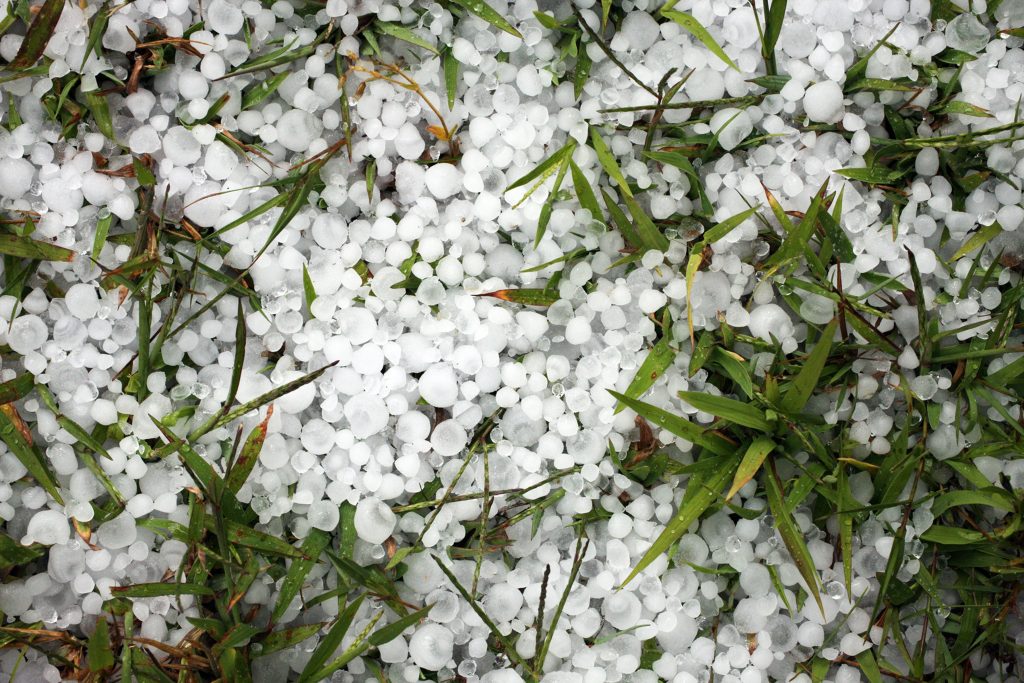
Common types of storm damage that may qualify for an insurance claim include:
• Hail impact that damages shingles or roofing materials
• Wind that lifts or removes shingles
• Debris such as tree branches damaging the roof
• Water intrusion caused by storm-related roof damage
• Damage to gutters, flashing, or roof vents
Because some types of storm damage are not immediately visible from the ground, professional roof inspections are often necessary to properly document the condition of the roof after a storm.
The First Step: Inspecting Your Roof After the Storm
After severe weather passes through North Texas, it is important to check your property for signs of damage. Homeowners often notice debris in the yard, dents in gutters, or missing shingles after strong storms.
However, many roofing issues can only be identified during a detailed inspection.
Professional inspections help identify:
• hidden hail bruising on shingles
• lifted shingles from wind pressure
• damaged flashing or vents
• early signs of leaks
At SCI Roofing & Remodeling, our team regularly helps North Texas homeowners evaluate storm damage and determine whether a claim may be appropriate.
Filing a Storm Damage Insurance Claim
If damage is discovered, the next step is contacting your insurance provider to begin the claims process.
Your insurance company will typically:
- Open a claim and assign an adjuster
- Schedule a property inspection
- Evaluate the extent of the damage
- Provide a loss summary and coverage decision
The adjuster’s inspection determines what repairs or replacements the insurance company will cover under your policy.
Because adjusters inspect many homes during large storm events, it can be helpful to have a roofing professional present to ensure all visible damage is documented.
Understanding the Loss Summary
If your claim is approved, your insurance provider will issue a document called a Loss Summary. This outlines the materials, quantities, and costs associated with restoring your roof or other damaged areas of the property.
Many homeowners find this document confusing at first. A roofing contractor experienced with insurance restoration can help review the estimate and explain how the restoration process will move forward.
Scheduling the Restoration
Once the claim has been approved, the restoration process can begin. Homeowners select materials and colors, and the project is scheduled.
For many residential homes, roof replacements or repairs can often be completed within a short time frame, depending on the scope of damage and weather conditions.
Why Professional Documentation Matters
Storm damage claims are highly dependent on accurate documentation. Photos, inspection reports, and detailed notes help ensure the insurance provider understands the full extent of the damage.
At SCI Roofing & Remodeling, our team assists homeowners throughout this process by documenting roof conditions, coordinating with adjusters when necessary, and helping homeowners understand each step of the restoration process.
For homeowners across Anna, Plano, and Van Alstyne, having an experienced contractor involved early can make the insurance process much smoother.
Protecting Your Home After a Storm
Storm damage is not always obvious immediately after severe weather. Small issues such as loosened shingles or minor hail bruising can develop into leaks if left unaddressed.
After major storms move through North Texas, it is often worth having your roof inspected so you clearly understand its condition.
Professional inspections can provide peace of mind and help homeowners take the appropriate next steps if repairs are needed.
FAQ
How long do I have to file a storm damage claim in Texas?
Most policies allow claims within a year of the storm, but it is best to report damage as soon as possible.
Will filing a roof claim increase my insurance premium?
Storm-related claims are typically considered weather events affecting many homes and may not impact individual premiums the same way other claims do.
Can hail damage a roof without causing leaks immediately?
Yes. Hail can weaken shingles and remove protective granules, which may lead to leaks later.