
How Roofing Insurance Claims Work in Texas
A storm just hit your neighborhood. You’re not sure if you have damage. You don’t know whether to call your insurer first or a roofer. You’ve heard horror stories about contractors who disappear after taking a deposit.
We hear this every week. Here’s exactly what you need to know, and what SCI does at every step.
After working with hundreds of North Texas homeowners following hailstorms and severe weather events, we’ve found there are 4 things that consistently trip people up when navigating a roofing insurance claim:
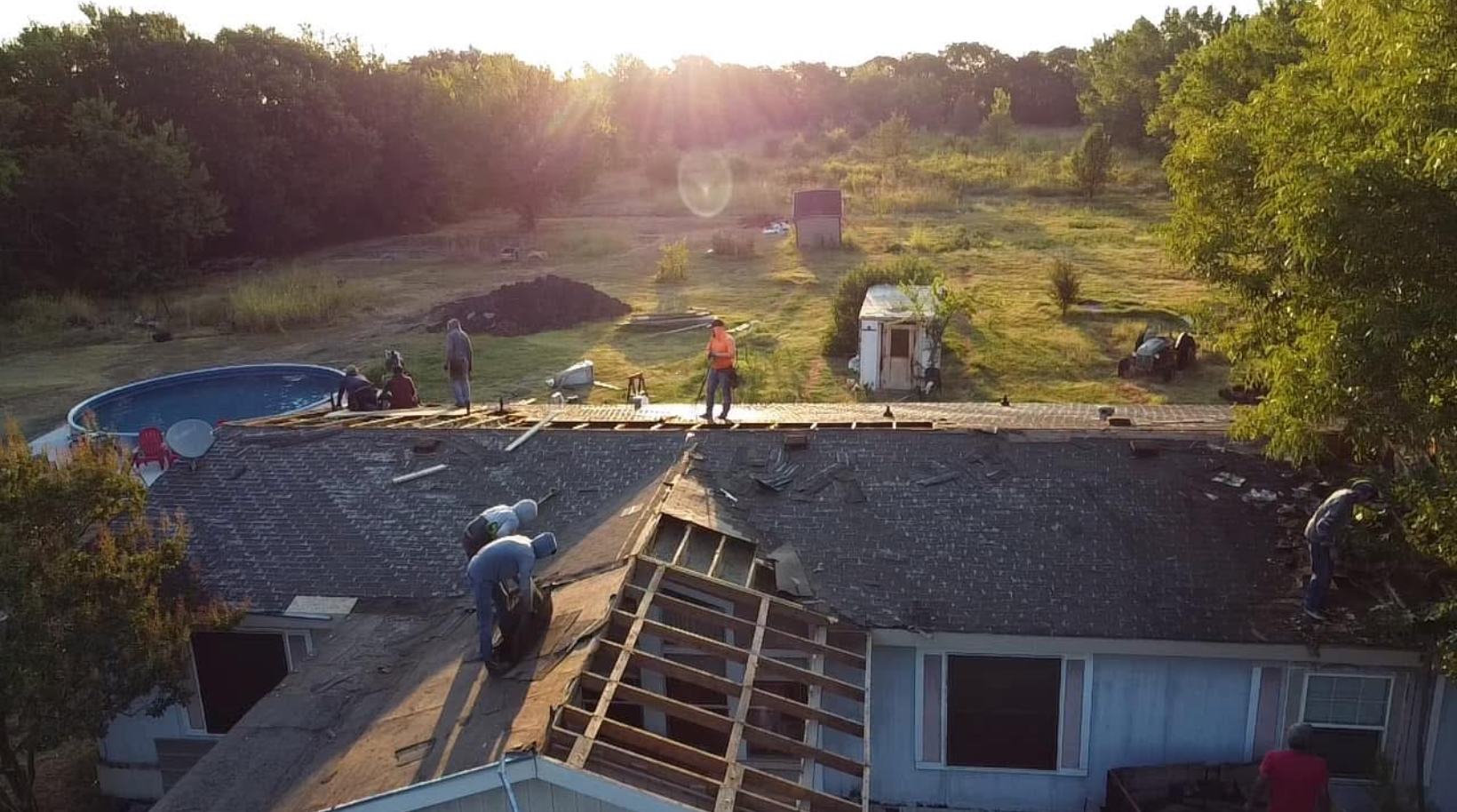
1. Knowing whether you actually have a valid claim before you file
A $0 payout claim still goes on your insurance record and can affect your future rates. You need an honest, professional assessment of your roof before you pick up the phone to call your insurer
2. Getting the full scope of damage documented correctly
Insurance adjusters, inspect dozens of homes after a major storm event and can miss hidden hail bruising, flashing damage, and collateral damage to gutters, AC units, and window screens. If it’s not documented, it’s not covered.
3. Understanding what your Loss Summary actually says
Once your claim is approved, your insurer sends a document called a Loss Summary. It outlines the exact materials, quantities, and dollar amounts the insurer will pay
4. Getting from approved claim to completed roof without delays, surprises, or a contractor who disappears
After a major storm, out-of-town “storm chasers” flood North Texas neighborhoods. A local contractor who knows Texas building codes, works directly with your insurer, and stands behind their work is the difference between a smooth restoration and a nightmare.
Insurance claim process
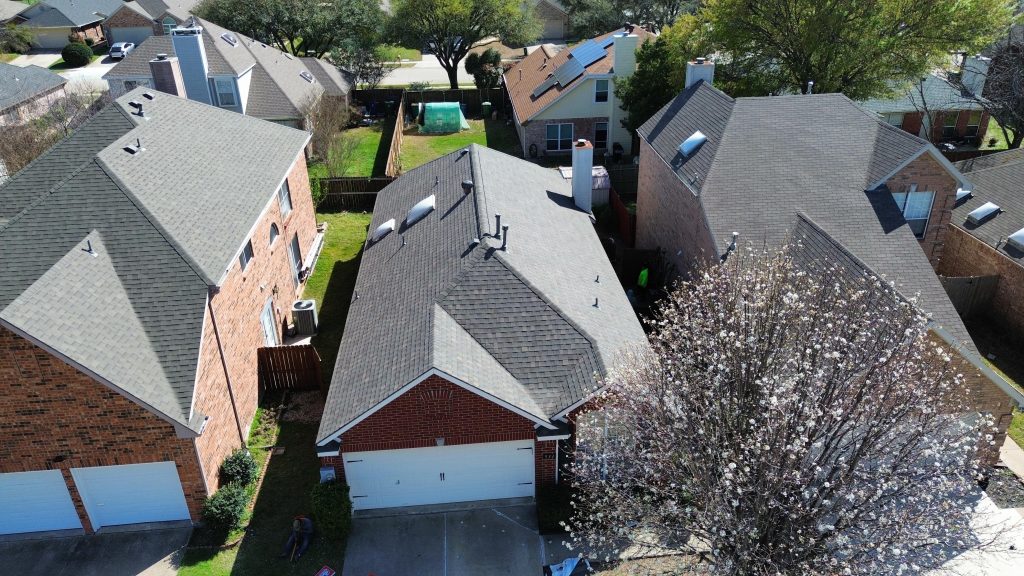
Step 1: Free Pre-Claim Inspection
Call us before you call your insurer.
A $0 payout claim still goes on your insurance record in Texas and can affect your future rates. We get on your roof and give you an honest answer, damage worth claiming, or not. If it’s not there, we’ll tell you.
We look for hail bruising, lifted shingles, damaged flashing, dented gutters, and AC condenser damage. That last group what we call collateral damage is the evidence that proves a storm hit hard enough to damage your roof.
Step 2: Filing the Claim & Adjuster Appointment
After a major North Texas storm, one adjuster may inspect 30–40 homes in a week. They move fast and they’re not roofing specialists. Hidden hail bruising and flashing damage get missed regularly.
When our team is present at your adjuster appointment, we walk the roof together and document every impact site, every area of granule loss, every compromised piece of flashing.
Step 3: Loss Summary Review
We translate the paperwork before a single nail goes in.
Once approved, your insurer sends a Loss Summary a dense document full of line items and material codes. We review it with you in plain language: what’s covered, what grade of materials, whether you have ACV or RCV coverage, and whether anything was missed or undervalued.
If items were missed, we work with your insurer to correct the scope before work begins. Most homeowners don’t know they can do this.
Step 4: Restoration & Claim Close-Out
You pick your shingles and colors. We tear off the old roof, inspect the decking, and install your new system to manufacturer specs and local code. If we find hidden damage during tear-off, we document it and submit
After the final walkthrough, we send completion photos directly to your insurer to close the claim file. On RCV policies, this triggers the release of your Recoverable Depreciation the holdback payment that can be thousands of dollars.