
North Texas Storm Damage Guide: 2026 Roof & Insurance Tips
This North Texas Storm Damage Guide is designed to help homeowners in Anna, Van Alstyne, and Plano navigate the chaotic aftermath of a DFW hailstorm. In North Texas, a spring afternoon can turn from a clear sky to a catastrophic property loss in less than twenty minutes. Whether you are dealing with shredded shingles or dented gutters, understanding your options is the first step to a successful restoration.
At SCI Roofing & Remodeling, we know that the damage you see from the driveway is only 10% of the story. This guide is your 2026 roadmap to protecting your home, navigating the insurance maze, and ensuring that when the dust settles, your property value is higher than it was before the clouds rolled in.
How this North Texas Storm Damage Guide Helps with Insurance Claims
Using a comprehensive North Texas Storm Damage Guide is essential because our storms combine high-velocity vertical winds with high-density hail. When a golf-ball-sized stone hits an asphalt shingle at 60 mph, it doesn’t always “break” the roof immediately, it creates a “bruise” that leads to long-term failure.
Because we specialize in both residential roofing services and work as a trusted commercial roofing contractor, we’ve seen how these “hidden hits” can be overlooked by adjusters. By following the steps in this North Texas Storm Damage Guide, you ensure that your claim accounts for all collateral damage, including your fence, gutters, and AC units. If you find yourself searching for an affordable metal roofing solution to break the hail cycle, this guide will also explain why stone-coated steel is becoming the 2026 standard for durability.
Why North Texas Storms are Different
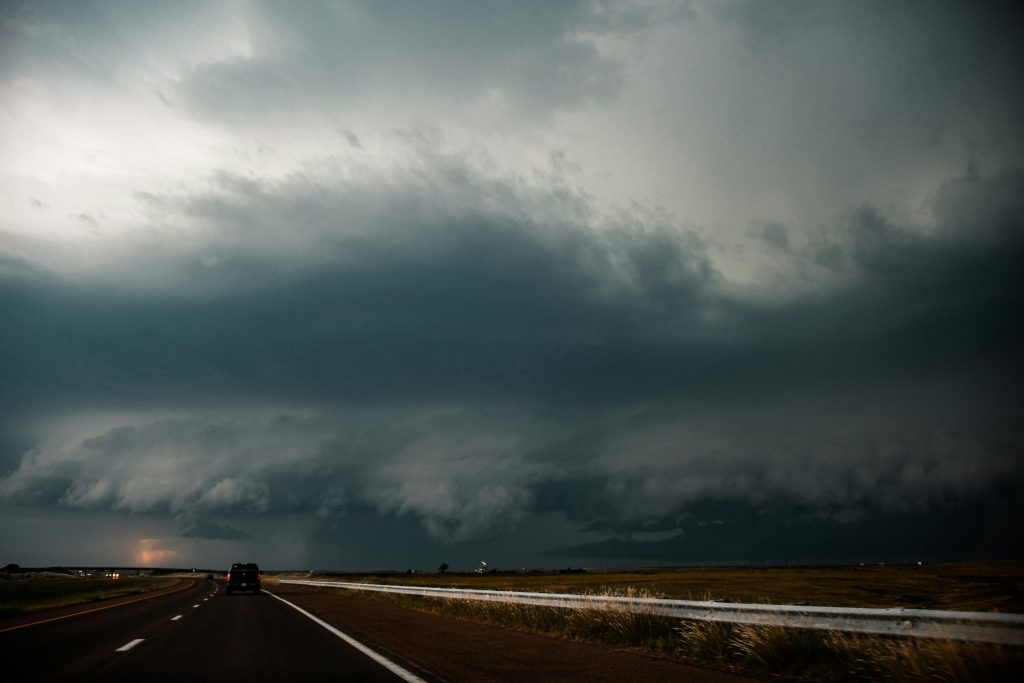
In other parts of the country, a storm might just mean some rain and a bit of wind. In North Texas, our storms are characterized by high-velocity vertical winds and high-density hail.
When a golf-ball-sized hailstone hits an asphalt shingle at 60 mph, it doesn’t always “break” the roof. Instead, it creates a “bruise.” This bruise knocks away the protective granules that shield your roof from the Texas sun. Once those granules are gone, the sun bakes the exposed asphalt, making it brittle. Within months, that “invisible” hit becomes a major leak.
This is why we tell our neighbors in Collin and Grayson Counties: it’s not a matter of if it hails, but when. Because our storms combine such high force with large ice, your roof is often aging 5 years in a single 15-minute storm.
The Triage: Your First 24 Hours After a Storm
The sirens have stopped, and the sun is back out. What now? Most homeowners make the mistake of rushing to call their insurance agent. Stop. Here is your 3-step triage plan.
Step 1: Document “Collateral Damage” First
Before you even look at the roof, look at the things you can reach. We call this “Collateral Damage,” and it’s the smoking gun for your insurance claim.
- The Fence Line: Are there “splatter marks” where the stain has been knocked off? Are pickets shattered?
- Window Screens: Look for small tears or dings in the metal frames.
- The AC Unit: Check the “fins” on your outdoor condenser. If they are flattened or dented, your unit’s efficiency is compromised.
- Gutters: Look for “dimples” in the metal.
Step 2: Secure Temporary Protection
If you see water stains on your ceiling or hear a drip in the attic, you have a “breach.” Texas insurance policies require the homeowner to mitigate further damage. This means you need a tarp.
- Pro Tip: Don’t try to do this yourself on a wet, steep roof. Call our 24/7 Emergency Tarping line at (214) 578-0850. We’ll get a crew out to secure your home so you can sleep tonight.
Step 3: The “Pre-Claim” Inspection
This is the most important advice in this guide: Call a local professional like SCI before you call your insurance company. Why? Because if you file a claim and the adjuster finds “insufficient damage” to meet your deductible, that claim still goes on your record as a “$0 Payout Claim.” This can raise your rates without giving you a dime. Let Daniel or Edgar give you a free, honest assessment first. If the damage isn’t there, we’ll tell you.
Understanding Your Insurance Claim (The Texas Reality)
When dealing with North Texas hail damage, understanding the “Texas Reality” of insurance is the difference between a full recovery and a denied claim. Many homeowners are surprised to learn that the insurance process has changed significantly in recent years.
The Deductible Law (Texas HB 2102)
It is important to note that under Texas House Bill 2102, it is a Class A Misdemeanor for a contractor to “waive” or “absorb” a deductible. If a roofer offers to cover your deductible for North Texas hail repairs, they are asking you to participate in insurance fraud. At SCI, we follow the law strictly to ensure your warranty remains valid and your claim is handled professionally.
RCV vs. ACV: Protecting Your Payout
Your policy type determines how much you’ll pay out of pocket after North Texas hail hits your home.
ACV (Actual Cash Value): Only pays the “depreciated” value of your old roof, often leaving you with a bill for thousands of dollars.
RCV (Replacement Cost Value): Covers the full cost of a new roof at 2026 market prices.
Metal Roofing: The “Hail-Proof” Alternative
We are seeing a +50% surge in North Texas homeowners asking about metal. Why? Because people are tired of the “Hail Loop”—replace the roof, wait three years, hail hits, repeat.
The Durability Factor
Whether it’s Standing Seam or Stone-Coated Steel, metal roofing is the closest thing to a “permanent” roof you can buy. While a standard shingle might fail under 1.5-inch hail, a high-quality metal system can withstand 2.5-inch stones without a breach.
The “Class 4” Discount
In Texas, most major insurance carriers (State Farm, Allstate, Farmers) offer a significant discount (up to 30%) on your annual premiums if you install a UL 2218 Class 4 Impact Resistant roof. Over 10 years, that discount can often pay for the entire cost of the upgrade.
FAQ: Frequently Asked Questions about DFW Storm Damage
Q: How do I know if I have hail damage if I can’t see it from the ground? A: You usually can’t. Hail “bruises” are felt, not seen. Our inspectors get on the roof and perform a “test square” analysis, physically feeling for the indentations in the asphalt mat.
Q: How long do I have to file a claim in Texas? A: Most policies give you one year (365 days) from the “Date of Loss.” However, we recommend filing within 60 days to ensure the damage is clearly linked to a specific weather event and hasn’t been exacerbated by secondary leaks.
Q: Can I choose my own contractor, or do I have to use the “preferred” roofer? A: You have the legal right to choose any contractor. “Preferred” contractors often have agreements with insurance companies to keep costs as low as possible. As an independent local company, SCI’s only loyalty is to you, the homeowner.
Conclusion: Don’t Face the Storm Alone
In North Texas, your roof is more than just shelter—it’s your home’s biggest investment. When the next storm hits Anna, Plano, or Van Alstyne, don’t settle for a faceless “storm chaser” with a clipboard.
Call the team that lives where you live. Call the team that knows Daniel, Edgar, and Bryan by name. Let’s get your home back to 100%.