
7 Signs Your Roof Needs Repair After a Storm in North Texas
Storms are a regular part of life in North Texas, especially during spring and early summer. Strong winds, hail, and heavy rain can damage roofing systems in ways that are not always visible from the ground.
Many homeowners assume their roof is fine after a storm, only to discover leaks or structural issues weeks later. Knowing the early warning signs of roof damage can help you address problems quickly and prevent more expensive repairs.

Here are seven common signs that your roof may need repair after a North Texas storm.
1. Missing or Lifted Shingle
High winds are one of the most common causes of roof damage in North Texas. Strong gusts can loosen shingles or tear them off completely.
If you notice shingles in your yard or see patches on your roof where shingles appear lifted or missing, your roof may need repair. Even a few missing shingles can allow water to reach the underlayment and roof decking.
2. Granules Collecting in Gutters
Asphalt shingles are coated with protective granules that help shield your roof from sunlight and weather.
After hail or strong storms, these granules may begin to wash into your gutters. If you see a large buildup of dark, sand-like particles in your gutters or near downspouts, it could be a sign that your shingles have been damaged.
Granule loss often leads to faster roof deterioration.
3. Dents on Gutters, Vents, or Metal Surfaces
Hail damage often shows up first on metal components around your roof. Check areas like:
- gutters
- downspouts
- roof vents
- flashing
- metal window trim
If you see small dents or impact marks, there is a strong chance your shingles may also have experienced hail damage.
4. Water Stains on Ceilings or Walls
Interior water stains are often one of the first signs of a roof problem. Look for:
- yellow or brown ceiling spots
- peeling paint near the ceiling
- damp drywall
These signs usually appear after repeated rain and may indicate that water is entering through damaged shingles or flashing.
5. Debris or Branches on Your Roof
Storms frequently leave behind branches, leaves, and other debris.
Even small branches can damage shingles when blown across the roof during high winds. Larger limbs may cause immediate structural damage that requires repair.
If your property experienced heavy debris during the storm, it’s worth having your roof inspected.
6. Shingles That Look Curled or Cracked
Storm damage can weaken shingles, causing them to curl, crack, or lose their seal. Damaged shingles may appear:
- warped
- split
- uneven
- lifted along the edges
Once shingles lose their seal, wind can more easily pull them away from the roof.
7. Sudden Increase in Roof Leaks
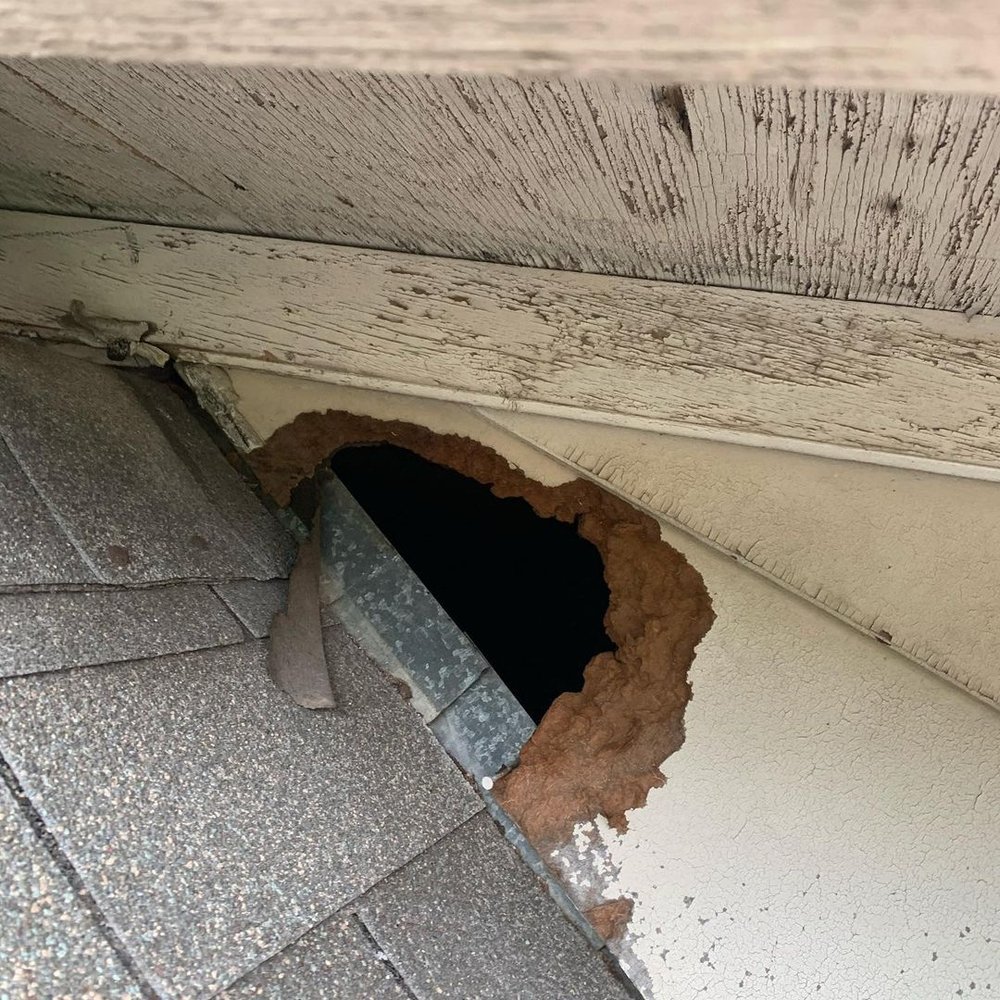
One of the clearest signs your roof needs repair is a new leak during or after a storm. Leaks may appear:
- during heavy rain
- around roof vents or chimneys
- in attic spaces
Even small leaks should be addressed quickly, as water intrusion can lead to mold growth and structural damage.
Why Storm Damage in North Texas Is Common
North Texas experiences frequent severe weather, including hailstorms, high winds, and rapid temperature changes. These conditions place significant stress on roofing systems throughout the region.
Homes in areas such as Anna, Plano, Van Alstyne, and McKinney often experience storm-related roof damage that may not be immediately obvious.
That’s why many homeowners schedule inspections after major storms.
When to Schedule a Roof Inspection
If you notice any of these signs after a storm, it may be time to have your roof professionally inspected.
A trained roofing contractor can identify damage that may not be visible from the ground and provide documentation if repairs are needed.
Addressing roof issues early can help prevent leaks, interior damage, and more expensive repairs later.
Schedule a Roof Inspection in North Texas
If your home experienced strong winds, hail, or heavy rain recently, a roof inspection can help determine whether repairs are needed.
SCI Roofing & Remodeling provides roof inspections for homeowners across Anna, Plano, Van Alstyne, and surrounding North Texas communities.