
The Most Common Roof Damage After Severe Storms in North Texas
Severe weather is common across North Texas, and roof damage after storms is one of the most frequent problems homeowners face after high winds, hail, and heavy rain move through the region.
Storms affect roofing systems in several ways. In many cases, the damage is not immediately visible from the ground. Because of this, homeowners may not realize a problem exists until leaks or other warning signs appear.
Understanding the most common types of roof damage after storms can help homeowners identify problems early and prevent small issues from turning into larger repairs.
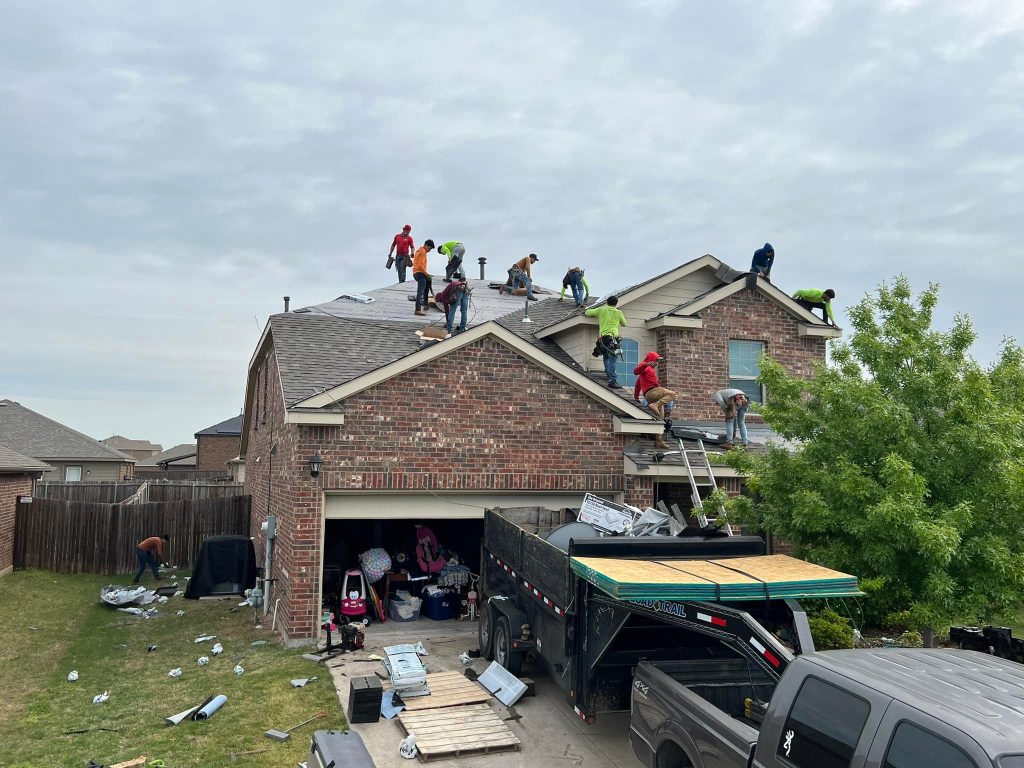
After severe weather passes through communities like Anna, Plano, and Van Alstyne, taking a moment to check your home for signs of damage can help prevent costly repairs later.
Wind Damage After Storms
Strong winds are one of the leading causes of roof damage after storms. When powerful wind gusts move across North Texas, shingles may loosen, lift, or tear away completely.
Once shingles are lifted, the protective barrier of the roof becomes exposed to moisture. As a result, water can gradually penetrate the roofing system.
Homeowners may notice several signs of wind damage, including:
• Missing shingles
• Shingles that appear lifted or curled
• Loose flashing around roof edges or chimneys
• Pieces of roofing material found in the yard
Because wind damage may appear minor at first, many homeowners do not recognize the problem until the next heavy rain exposes a leak.
Hail Damage to Asphalt Shingles
Hailstorms are another common cause of roof damage after storms in North Texas. When hail strikes asphalt shingles, it can remove protective granules that shield the roof from sun exposure and moisture.
In addition, repeated hail impacts may bruise shingles and weaken the material beneath the surface. Over time, this damage can make the roof more vulnerable to leaks.
Visible signs of hail damage may include:
• Dark spots where protective granules have been knocked away
• Dents on gutters, vents, or flashing
• Bruised shingles that feel soft when touched
However, hail damage is not always obvious. In many situations, the damage becomes noticeable only after a professional inspection.
Water Damage and Roof Leaks
Heavy rainfall during storms can expose weak areas within a roofing system. For example, flashing around vents or aging shingles may begin to fail during extended periods of rain.
As water moves through these openings, homeowners may start noticing warning signs inside the home.
Interior signs of roof damage after storms often include:
• Water stains on ceilings
• Damp insulation in the attic
• Dripping during heavy rain
• Musty odors near the roof line
In many cases, these symptoms appear several days after the storm has passed.
Damage From Falling Debris
Severe weather often brings falling branches and debris that can impact roofing materials. Even smaller limbs may crack shingles or dent flashing.
Meanwhile, leaves and branches can also clog gutters. When drainage is blocked, water may back up under roofing materials and create additional problems.
Keeping trees trimmed and clearing debris soon after storms can help reduce the risk of roof damage.
Why Roof Inspections Matter After Severe Weather

Not all roof damage after storms is visible from the ground. Some issues develop slowly and may not become obvious until the next storm arrives.
For this reason, a professional roof inspection can help identify problems early.
Roof inspections may reveal:
• Hidden hail damage
• Lifted or loosened shingles
• Flashing problems around roof penetrations
• Early signs of water intrusion
At SCI Roofing & Remodeling, we help homeowners across Anna, Plano, Van Alstyne, and surrounding North Texas communities evaluate the condition of their roofs after severe weather.
Early inspections help ensure small problems are addressed before they turn into larger structural repairs.
Frequently Asked Questions
How can I tell if my roof has storm damage?
Common signs of roof damage after storms include missing shingles, dents on gutters, loose flashing, and granules collecting in downspouts. In addition, interior water stains may appear several days after severe weather.
Can wind damage a roof without removing shingles?
Yes. Strong winds can lift shingles and break the seal that protects the roof. Even if shingles remain in place, moisture can still enter the roofing system.
Does hail always cause visible roof damage?
Not always. Hail may bruise shingles or remove protective granules without creating obvious cracks. Because of this, damage may only be visible during a professional inspection.
Should I schedule a roof inspection after a severe storm?
If your area experienced strong winds or hail, a roof inspection can help determine whether your home experienced roof damage after storms and whether repairs may be necessary.