
What Size Hail Can Damage a Roof?
Hailstorms are one of the most common causes of roof damage in North Texas. However, many homeowners are unsure what size hail can actually damage roofing materials.
Understanding what size hail can damage a roof helps homeowners know when it may be necessary to schedule a roof inspection after a storm.
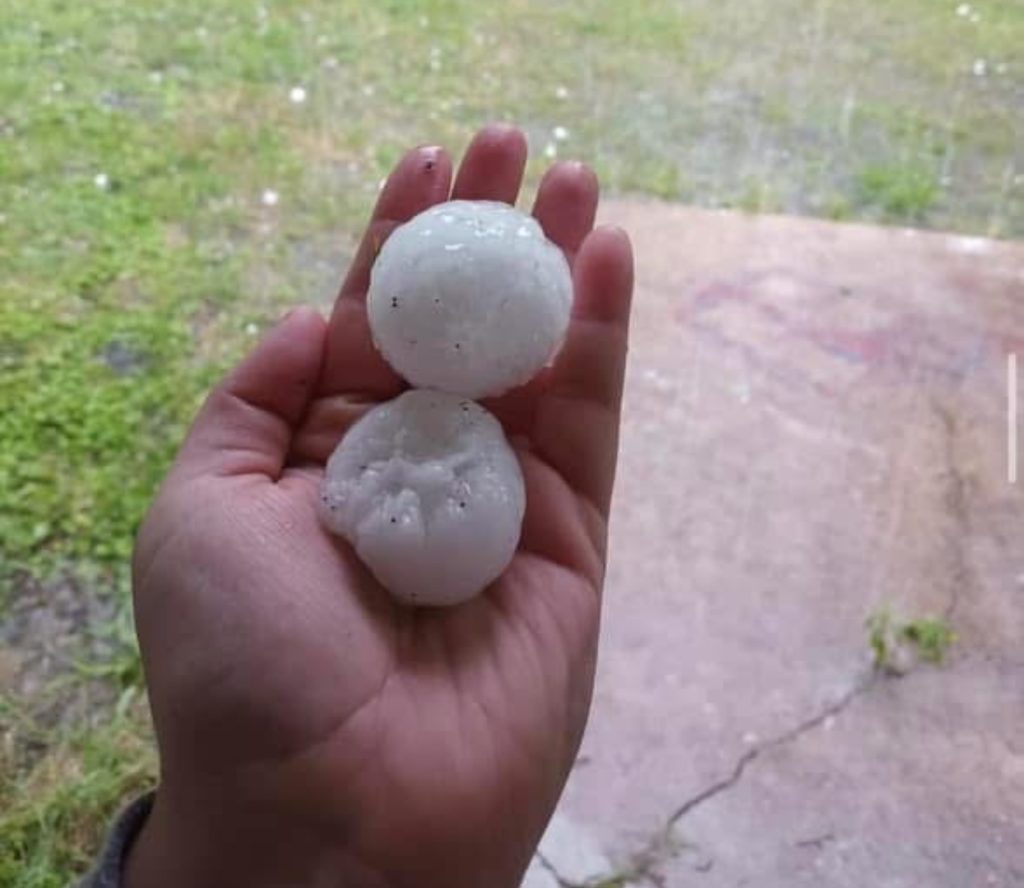
Although smaller hailstones may seem harmless, repeated impacts can gradually weaken shingles and reduce the lifespan of a roof.
Small Hail (Pea to Marble Size)
Smaller hail typically causes minimal visible damage to roofing materials. However, repeated storms can slowly wear down asphalt shingles over time.
In some situations, smaller hail may loosen protective granules on shingles. While this type of damage may not be obvious immediately, it can contribute to long-term roof deterioration.
Because of this, homeowners should still monitor their roof after storms, even if hailstones appear small.
Quarter-Size Hail
Once hail reaches the size of a quarter, the risk of roof damage increases significantly.
Quarter-size hail can begin knocking protective granules off asphalt shingles. As a result, the underlying roofing material becomes more vulnerable to sun exposure and moisture.
In many cases, roofing contractors recommend inspections when hail of this size is reported in the area.
Golf Ball-Size Hail
Golf ball-size hail can cause serious damage to roofing systems. The impact from hail this size may crack shingles, dent flashing, and damage roof vents.
In addition, strong storms that produce hail this large often lead to insurance claims for roof repairs or replacements.
Because the force of these impacts is significant, roofs should always be inspected after storms that produce hail of this size.
How Roofing Materials Affect Hail Damage
Not all roofing materials respond to hail in the same way. For example, architectural shingles and impact-resistant roofing systems are typically designed to handle stronger impacts than standard three-tab shingles.
Because of this difference, the type of roof installed on a home can influence how well it performs during hailstorms.
Homes with older roofing systems may be more vulnerable to hail damage.
Signs Your Roof May Have Hail Damage
After a hailstorm, homeowners may notice several warning signs that indicate roof damage.
Some common indicators include:
• Dents on gutters or roof vents
• Dark spots where shingle granules have been removed
• Bruised shingles that feel soft when touched
• Pieces of roofing material found around the property
In many situations, hail damage is not immediately obvious from the ground.
Why Roof Inspections Are Important After Hailstorms
Even moderate hailstorms can weaken roofing materials without creating visible cracks.
For this reason, a professional inspection is often the best way to determine whether hail caused damage to your roof.
At SCI Roofing & Remodeling, our team helps homeowners across Anna, Plano, Van Alstyne, and surrounding North Texas communities inspect their roofs after storms.
Early inspections help identify problems before they lead to leaks or larger repairs.
Frequently Asked Questions
What size hail usually damages asphalt shingles?
Hail that reaches the size of a quarter or larger can begin damaging asphalt shingles by knocking off protective granules and weakening the material.
Can small hail damage a roof over time?
Yes. Although small hail may not cause immediate damage, repeated storms can gradually wear down roofing materials and reduce the lifespan of the roof.
How do roofing contractors check for hail damage?
Roofing professionals inspect shingles for bruising, cracked surfaces, and granule loss. They also check metal components such as flashing, vents, and gutters for dents.
Should I inspect my roof after a hailstorm?
If hail was reported in your area, scheduling a roof inspection can help determine whether your home experienced hail damage.