
How Hail Affects Asphalt Shingles Over Time
Asphalt shingles are the most common roofing material used on homes across North Texas. While they are designed to withstand harsh weather, hail can significantly affect asphalt shingles over time. Even when damage is not immediately visible from the ground, hail impact can weaken shingles and shorten the life of a roof.
Understanding how hail affects asphalt shingles can help homeowners identify potential issues early and avoid more serious problems down the road.
What Happens When Hail Hits Asphalt Shingles
Asphalt shingles are designed with multiple layers that work together to protect a home from weather. The outer surface is covered with protective granules, which shield the underlying asphalt layer from UV rays and help the shingle resist water penetration.
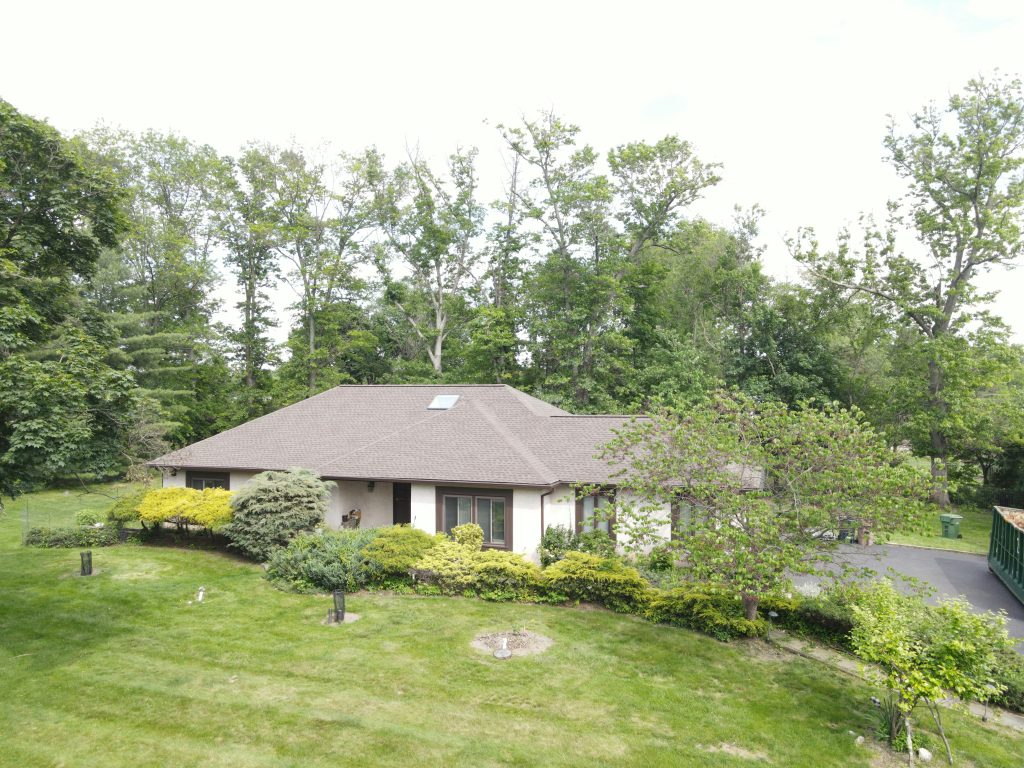
When hail strikes the roof, the impact can damage these protective layers in several ways.
Large hailstones can dislodge the granules on the surface of the shingles, exposing the asphalt beneath. In other cases, the impact can bruise the shingle by weakening the internal fiberglass mat that gives the material its strength.
These types of damage may not immediately cause leaks, but they reduce the shingle’s ability to protect the roof over time.
Granule Loss and Early Shingle Aging
One of the most common effects of hail damage is granule loss. When protective granules are knocked loose by hail, the asphalt layer underneath becomes more vulnerable to sunlight and weather exposure.
Over time, shingles with granule loss can begin to dry out, crack, and deteriorate faster than normal.
Homeowners may notice signs such as:
• excessive granules collecting in gutters
• dark or bare spots on the roof surface
• shingles that appear worn earlier than expected
While these symptoms may appear minor, they often indicate that the roof has experienced hail impact.
Hidden Hail Bruising
Another form of hail damage that can affect asphalt shingles is known as hail bruising. This occurs when the impact of hail compresses the internal layers of the shingle without immediately breaking the surface.
Bruised shingles may look normal at first but become weak points in the roofing system.
As the roof continues to experience heat, wind, and rain, these weakened areas can eventually crack or allow moisture to penetrate the roof structure.
Because hail bruising is difficult to identify from the ground, professional inspections are often necessary to properly evaluate the condition of the roof after a storm.
Long-Term Effects on Roof Lifespan
When hail damage is left unaddressed, the lifespan of asphalt shingles can shorten significantly. A roof that might normally last 20 to 25 years may begin deteriorating much sooner if protective layers have been compromised.
Over time, this can lead to:
• increased risk of leaks
• weakened shingle adhesion during wind events
• accelerated aging across the roof surface
• higher repair or replacement costs later
For homeowners in North Texas, regular inspections after major storms can help identify hail damage before these long-term effects develop.
Why Professional Roof Inspections Matter
Because many types of hail damage are not immediately visible, homeowners often underestimate the impact of a storm on their roof.

A professional roof inspection allows contractors to identify subtle damage patterns, granule loss, and weakened shingles that may not be obvious during a visual check from the ground.
At SCI Roofing & Remodelling, our team regularly helps homeowners across Anna, Plano, and Van Alstyne evaluate the condition of their roofs after hailstorms. Detailed inspections and documentation can help homeowners understand whether repairs or insurance claims may be necessary.
Protecting Your Roof After a Hailstorm
North Texas storms can vary widely in intensity, and even moderate hailstorms can leave lasting effects on roofing materials. Monitoring your roof after severe weather and addressing damage early can help extend the life of your roofing system and prevent larger issues later.
Homeowners who are unsure whether hail has affected their roof may benefit from a professional inspection to ensure the roofing system remains in good condition.
Taking proactive steps after severe weather can help protect both the structure of the home and the investment in the roofing system itself.
FAQ
Can hail damage asphalt shingles without causing leaks immediately?
Yes. Hail often damages the protective layers of shingles without creating immediate leaks. Over time, this damage can weaken the roof and eventually lead to water intrusion.
What size hail can damage a roof?
Hail as small as one inch in diameter can damage asphalt shingles, especially during high winds.
How long after a storm should a roof be inspected?
It is best to inspect a roof soon after severe weather to document potential damage before it worsens or becomes harder to identify